FASCIA × SIX LAYERS

Rokuso Rendo Soho Official SiteLook beyond
where it hurts.
Restoring the body through six connected layers.

Rokuso Rendo Soho (the 6-Layer Release) is a manual therapy developed by physical therapist Kuniyoshi Okikura. It views the connections between the body's tissues as six layers and works on the adhesions that form between them. This is the official source of information for anyone who wants to receive treatment, understand how it works, or learn the technique.

How we think about adhesions and pain (Japanese) →

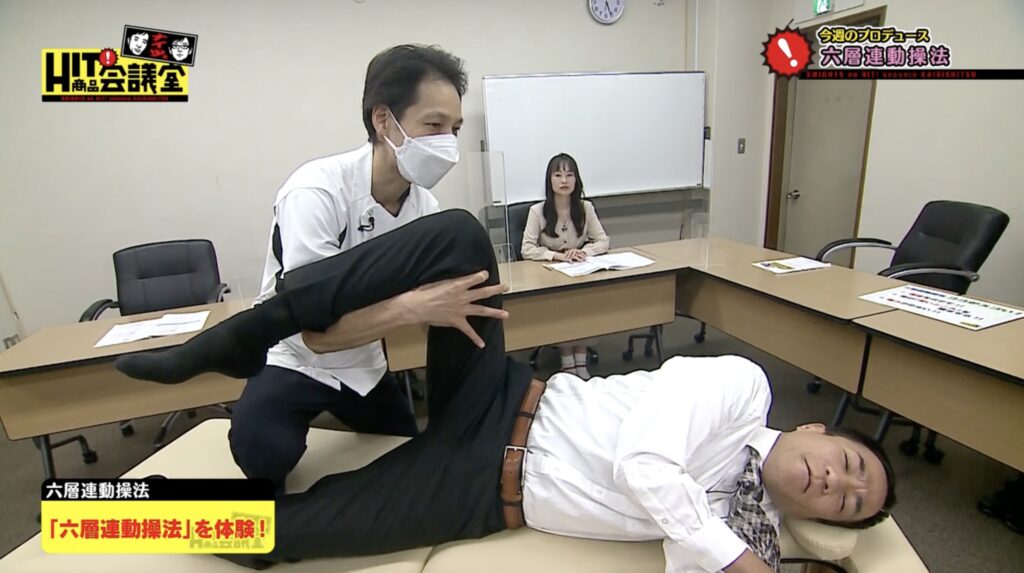
A Rokuso Rendo Soho treatment session
Deep layers ─ Adhesions ─ Whole-body connection

What is Rokuso Rendo Soho?

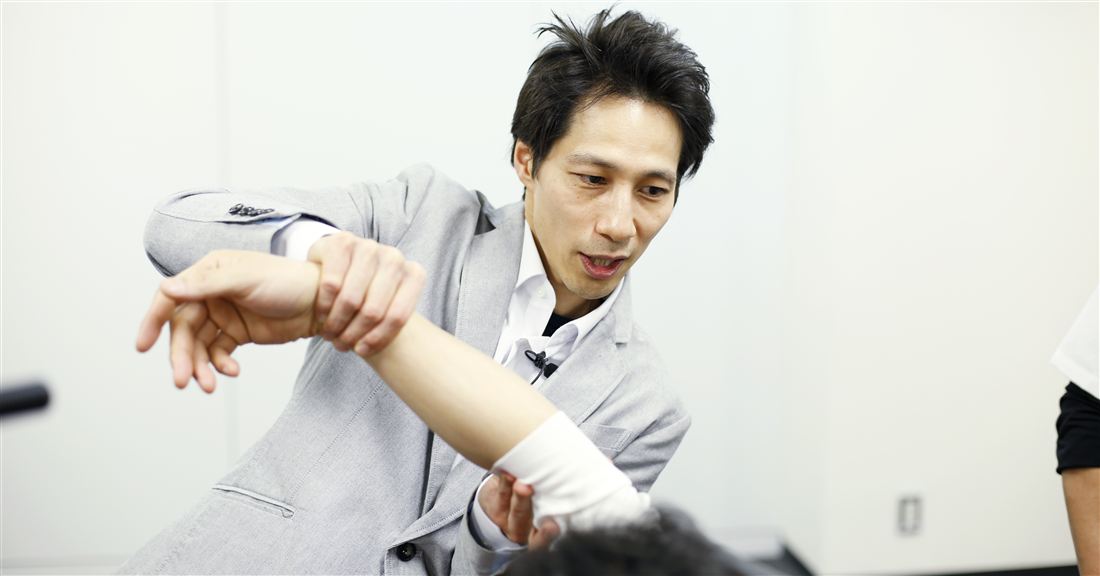
Rokuso Rendo Soho (the 6-Layer Release) is a manual therapy developed by physical therapist Kuniyoshi Okikura. It views the intricately interwoven connections of fascia, from just beneath the skin down to the periosteum, as six layers by depth, and works to release adhesions that form between those layers. Its key feature is the application of the principle of leverage, designed to directly target deeper adhesions that conventional manual techniques may not reach.

How it works, who developed it, and the evidence (Japanese) →
CONCEPT

The cause of pain
isn't always where it hurts.

When your shoulders feel stiff, you rub your shoulders. When your lower back aches, you rub your back. It's what everyone does. But if the pain keeps coming back, could the cause be hiding somewhere else? Lower back pain can sometimes stem from adhesions in the calf. A heavy feeling in the shoulder can sometimes come from stiffness deep in the arm. Rather than simply kneading the spot where symptoms appear, Rokuso Rendo Soho follows the connections of fascia to reach what may be the real source.

Layer 1 Superficial fascia Surface (difficulty: low)
Layer 2 Deep fascia
Layer 3 Epimysium
Layer 4 Perimysium
Layer 5 Endomysium
Layer 6 Periosteum Deepest (difficulty: high)
SIX LAYERS

From surface to depth,
fascia moves as one.

Fascia is like a single bodysuit that wraps the whole body just beneath the skin. In reality, the tissues from the superficial fascia down to the periosteum are intricately interwoven and layered, gliding smoothly against one another. When this gliding (the sliding of tissues against each other) is lost and an "adhesion" forms, it can show up as pain or stiffness somewhere else in the body.

Rokuso Rendo Soho views these interwoven connections as six layers by depth, and the practitioner feels by hand which layer holds an adhesion. By releasing adhesions together with the fascial connections they belong to, it aims to restore coordinated movement throughout the body.

FEATURES

Three features of Rokuso Rendo Soho

01

Reaching the deep layers

Instead of pressing hard, it applies the principle of leverage. Pressure and treatment area are adjusted to your condition, keeping strain on your body to a minimum.

02

Releasing adhesions

Adhesions between layers (fascial connections that have lost their smoothness) are carefully located by the practitioner's hands. Rather than relying on force, they are gently released along with their fascial connections, aiming to restore the layers' natural, smooth movement.

03

Whole-body connection

We look not only at where it hurts but at movement and tissue condition throughout the body, searching for areas that may be related to the pain.

Theory, developer and evidence (Japanese) → See case examples (Japanese) → Find a certified clinic (Japanese) →
MOVIE

Rokuso Rendo Soho on video

Rokuso Rendo Soho explainer video (watch on YouTube) Watch on YouTube →
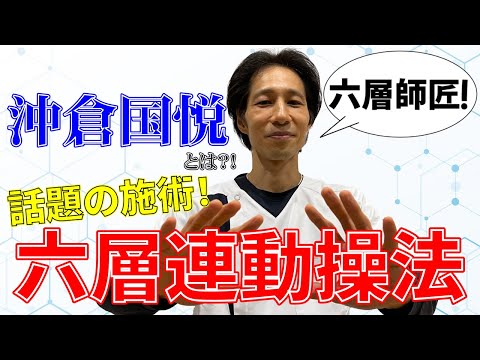
01 What is Rokuso Rendo Soho? Explainer video (Japanese)
Rokuso Rendo Soho commercial (watch on YouTube) Watch on YouTube →
02 Rokuso Rendo Soho: commercial
EVIDENCE

A physician-supervised clinical trial
conducted by an independent organization

In 2019, a before-and-after trial was conducted with 15 men and women aged 40 to 59 who had shoulder or lower back pain on movement. Measurements included range of motion, blood flow velocity, autonomic nervous activity and subjective pain; some of the results are shown below.

93.3%
reported that their shoulder pain had eased
100%
reported that their lower back pain had eased
0 cases
adverse events during the observation period of this trial

These are the results of a 2019 trial with 15 participants. They do not guarantee the same effect or safety for everyone. Your condition is checked before treatment, and you will be advised to see a doctor if necessary.

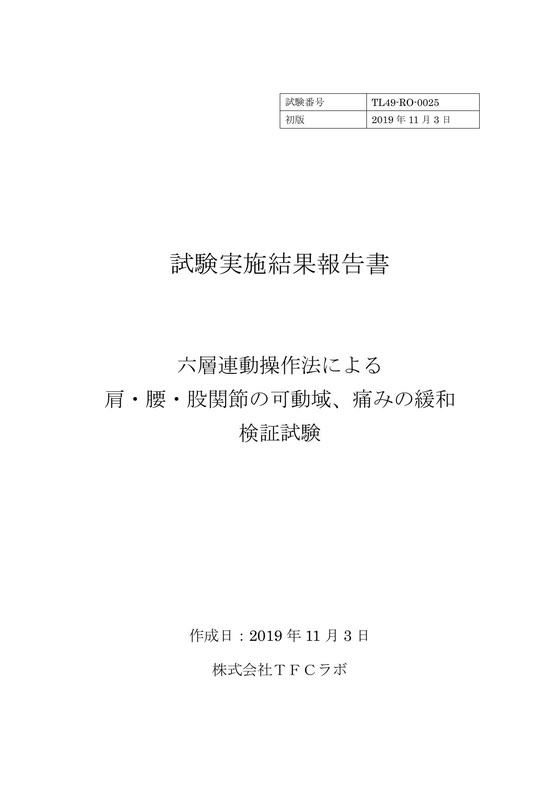
Trial results report: verification trial of shoulder, lower back and hip range of motion and pain relief with Rokuso Rendo Soho (Trial No. TL49-RO-0025)

Summary of the trial results report

All 15 participants completed the trial. In the post-treatment questionnaire, 93.3% reported that their shoulder pain had eased, and 100.0% said the same of their lower back pain. These figures follow the analysis category "eased" and do not represent a cure rate. The report states that no adverse events occurred before or after treatment or during follow-up.

Trial No.
TL49-RO-0025
Report date
November 3, 2019
Conducted by
TFC Lab Co., Ltd. (physician-supervised)
Measurement dates
October 18 and 19, 2019
Design
Before-and-after comparison in the same participants (no control group)
Ethics review
Approved by the Ethics Review Committee of Fukuzumi Naika Clinic (September 27, 2019). Conducted in accordance with the spirit of the Declaration of Helsinki.

Pain, range of motion, muscle hardness, autonomic nervous activity and blood flow velocity: statistically significant differences were found in all measured items.

Blood flow, range of motion, autonomic nervous systemParticipant average

Blood flow velocity
Before
68.3
After
77.3
Neck range of motion
Before
45.8
After
64.5
Sympathetic
Before
47.6
After
50.0
Parasympathetic
Before
50.1
After
52.2

Subjective questionnaireAverage score

For all items, a higher score means less pain or fatigue.

Overall fatigue relief (score)
Before
2.7
After
6.1
Pain-on-movement relief (score)
Before
2.8
After
5.7
Shoulder pain relief (score)
Before
2.2
After
5.9
Lower back pain relief (score)
Before
2.3
After
6.1

This trial was conducted in 2019. Since then, Rokuso Rendo Soho has continued to evolve through human cadaver dissection training overseas and daily clinical practice.

*Figures are participant averages from a clinical trial conducted in 2019 (Trial No. TL49-RO-0025; 15 participants: 8 men and 7 women aged 40 to 59). Individual results vary.

CASES

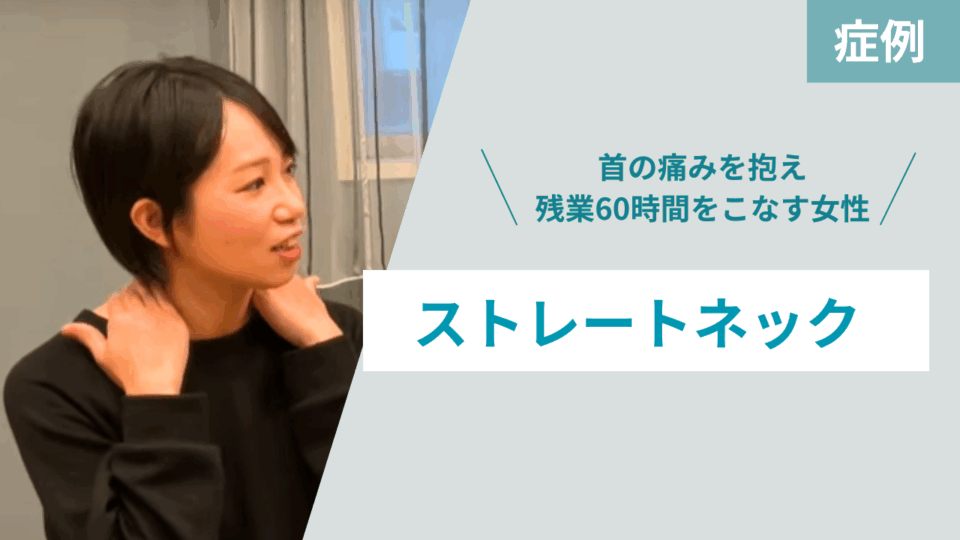
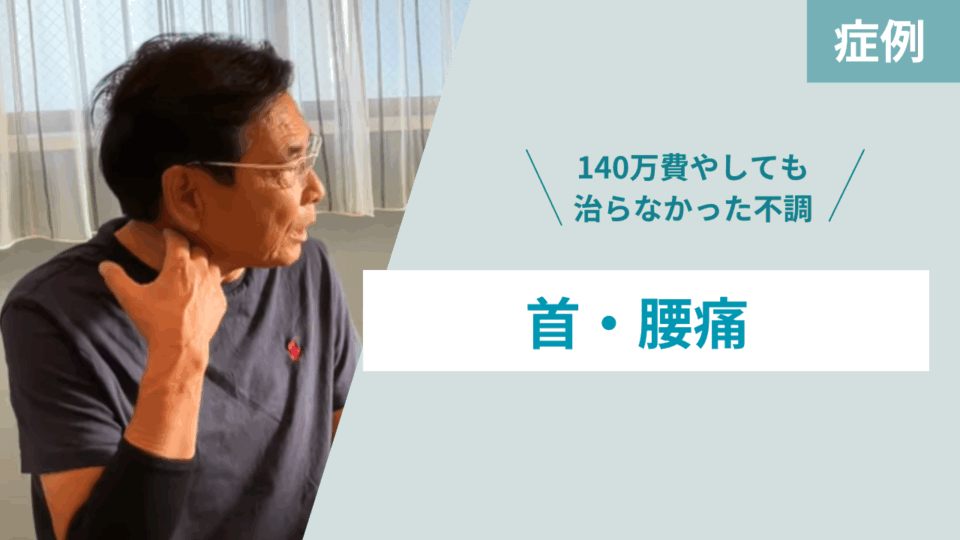
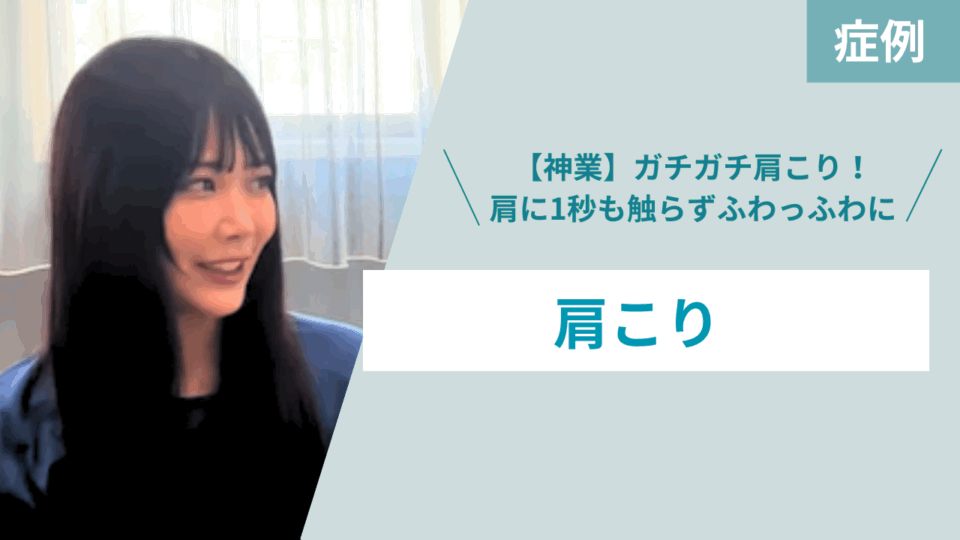
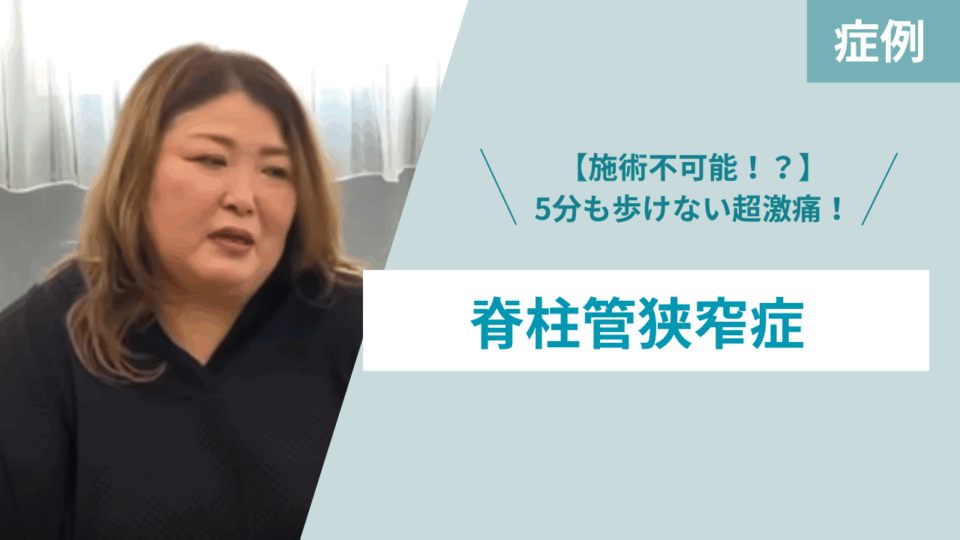
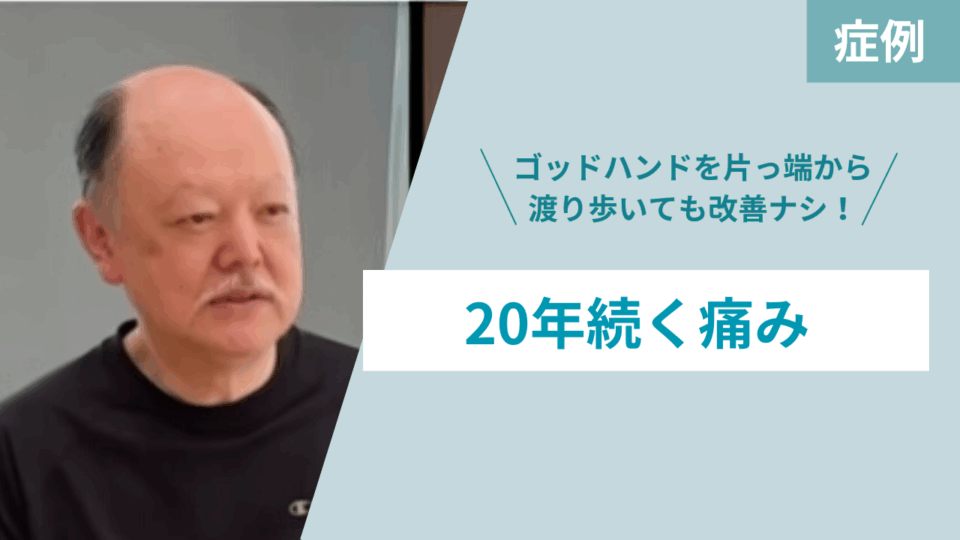
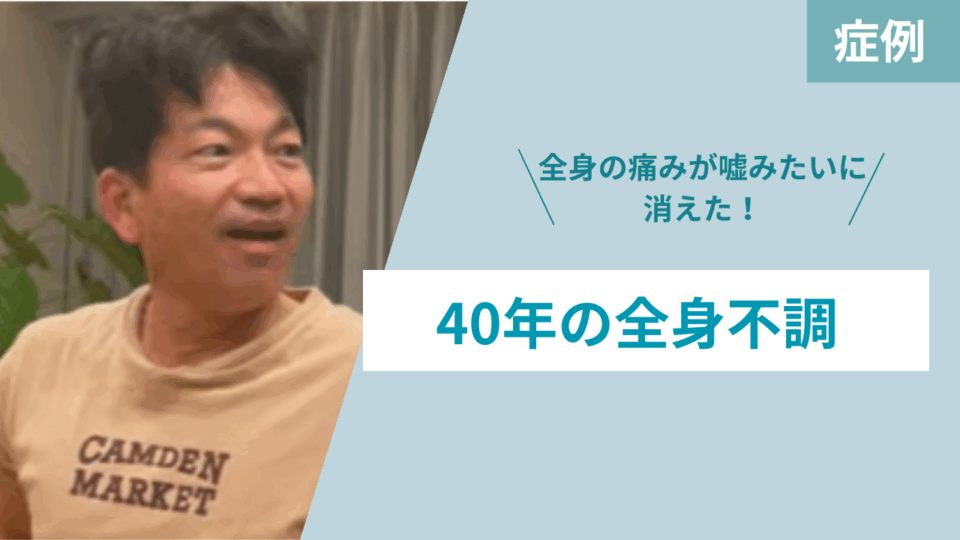
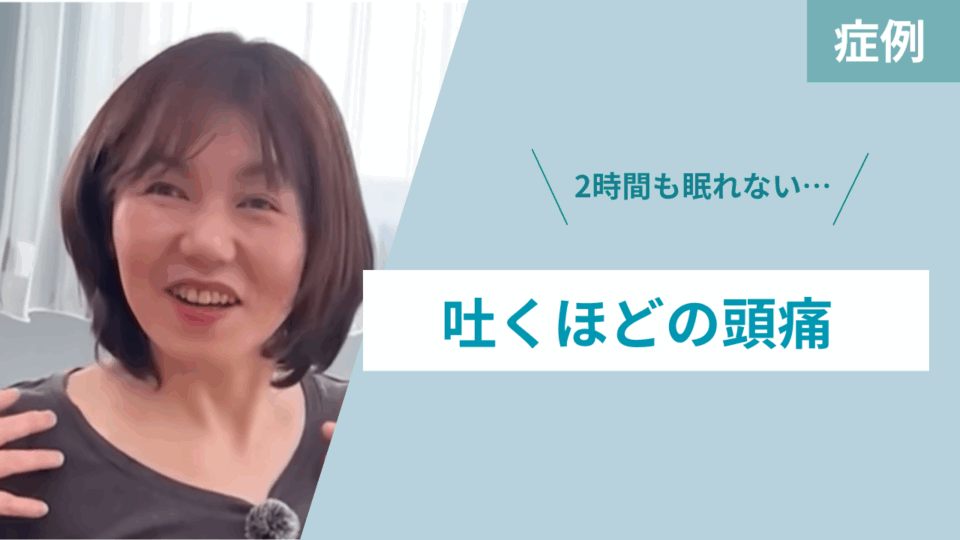
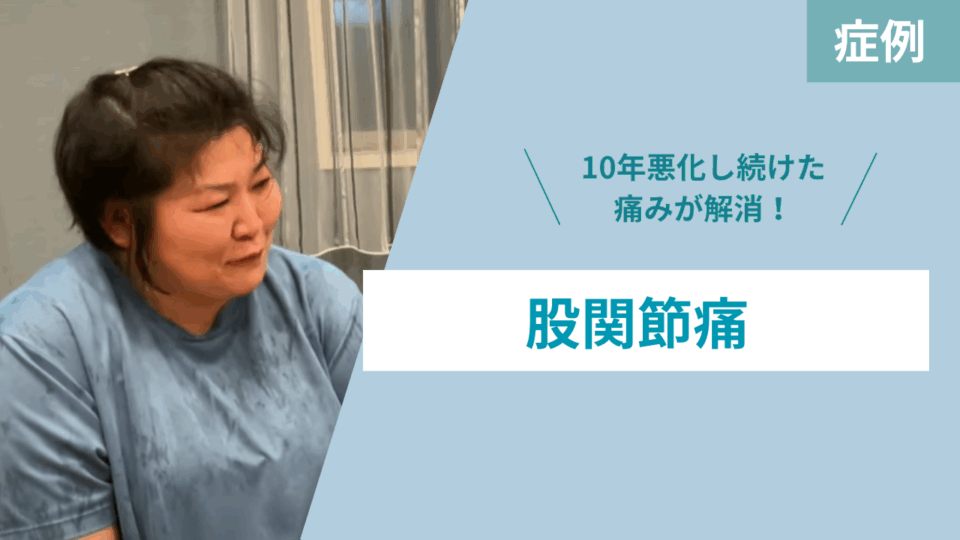
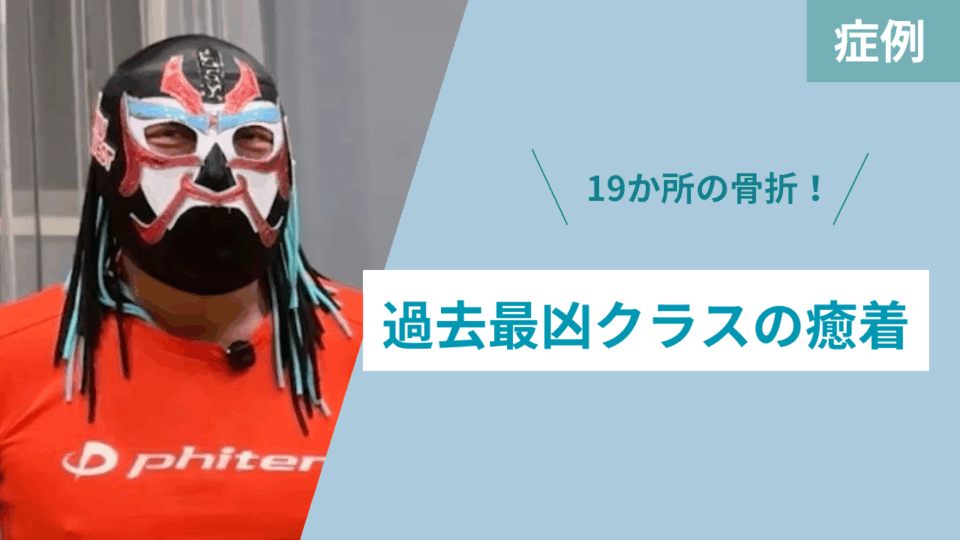
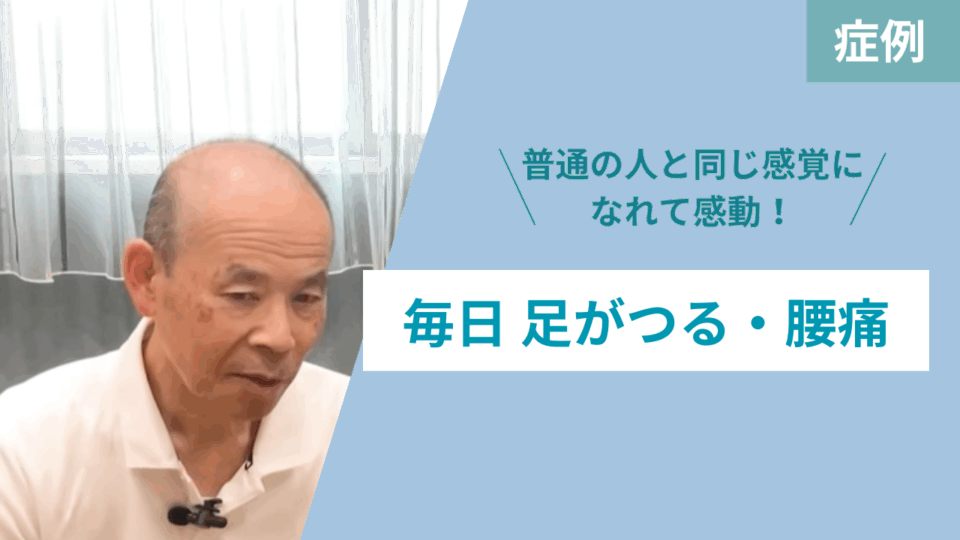
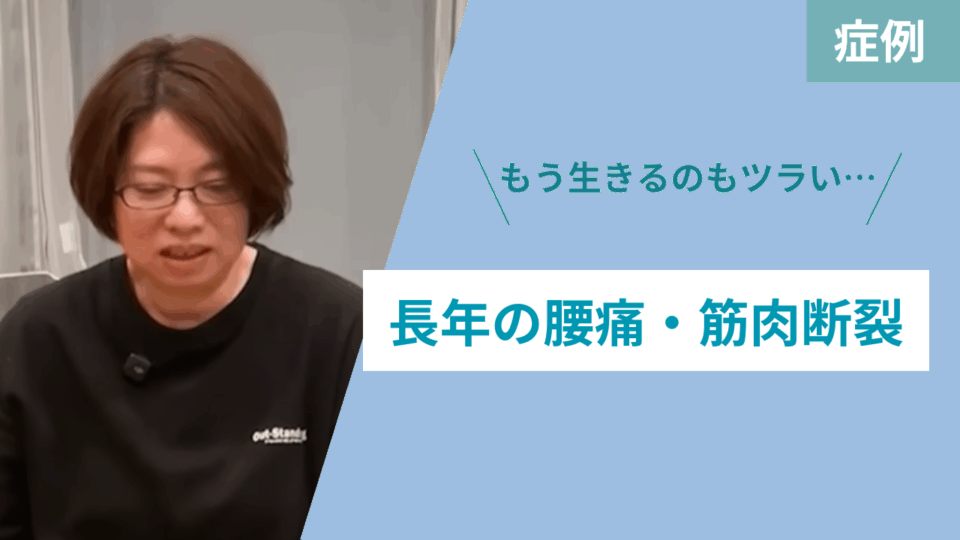
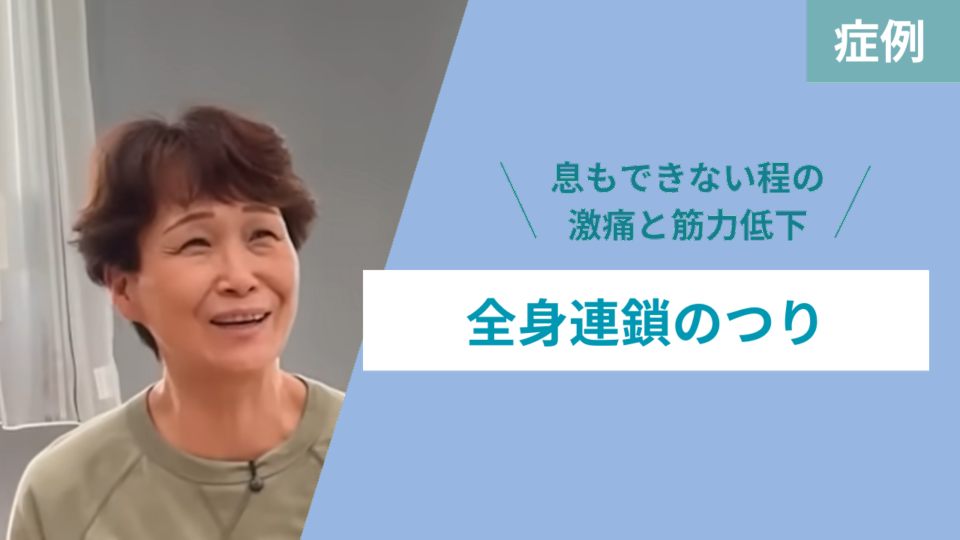
Case examples: Rokuso Rendo Soho for severe pain and restricted movement

Rokuso Rendo Soho is a simple manual therapy designed to release, from deep within, the fascial adhesions that may be restricting the body's range of motion. Here are some of our cases. They describe individual experiences; individual results vary. Videos and case pages are in Japanese.

See all cases (Japanese) →
SELF-CARE

Self-care you can do at home

A physical therapist explains, with videos and illustrations, ways to ease stiff shoulders, lower back pain, acute back strain, frozen shoulder, teeth grinding and more on your own. (Videos and guides are in Japanese.)

See all self-care guides (Japanese) →
NETWORK

Certified clinics offering Rokuso Rendo Soho

Map of Japan, fees and how to book (Japanese) →

Certified practitioners who have completed our seminars offer Rokuso Rendo Soho at 70 clinics across Japan, and the network is expanding overseas. Find a clinic near you. Please note that clinic websites and booking may be in Japanese only.

Hokkaido Tohoku Tokyo Kanto Chubu Kinki Chugoku/Shikoku Kyushu Overseas

Hokkaido area

HOKKAIDO 2 clinics
Hokkaido
la.source (ラ・スルス)
Broad Heights I, Room 102, 3-16 Nishi 5-jo Kita, Obihiro
Hokkaido
Musuhi Maruyama (ムスヒ円山)
Factor Nine Bldg. 802, 25-1-2 Minami 2-jo Nishi, Chuo-ku, Sapporo

Tohoku area

TOHOKU 3 clinics
Fukushima / Yamagata / Miyagi / Iwate / Aomori / Akita
Tohoku Rokuso Rendo Soho (東北六層連動操法; formerly Fuwafuwa Seitai)
193-8 Jinba, Fukuhara, Fukuyama-machi, Koriyama. [Touring Tohoku] Regular visiting treatment days at designated venues in Yamagata, Sendai, Morioka, Hachinohe and Akita
Fukushima
Reset More
Villa Honmachi 201, 1-8-10 Honmachi, Koriyama
Iwate
Fascia Seitai Salon MOVING Hanamaki
326-1 Suwa, Hanamaki, Iwate

Tokyo area

TOKYO 13 clinics
Arakawa-ku
Itsuki Shinkyu Seikotsuin (いつき鍼灸整骨院)
8-3-4-105 Minamisenju, Arakawa-ku
Ota-ku
Sanno Leaf Seikotsuin (山王リーフ整骨院)
Lecole Sanno Room 102, 1-5-24 Sanno, Ota-ku
Shinagawa-ku
Kakurega Salon Tabibito no Ki (隠れ家サロン 旅人の木)
3-12-2-303 Koyama, Shinagawa-ku, Tokyo
St. Hills Yoyogi 12F, Room 1202, 1-55-14 Yoyogi, Shibuya-ku
Setagaya-ku / Shibuya-ku
Amitie Seitai-in (アミティエ整体院)
Shimouma 6-chome, Setagaya-ku
CAQUI YEBISU 102, 1-27-5 Ebisu-nishi, Shibuya-ku
Nerima-ku (home visits)
Nishimura (にしむら)
Nerima-ku, Tokyo
Minato-ku
Rokuso Rendo Soho Seitai Sei
M2K Stage III 803, 3-3-13 Azabu-Juban, Minato-ku, Tokyo; also Aoba-ku, Yokohama / Koshu, Yamanashi
1-5-1 Minami-Azabu, Minato-ku, Tokyo
Musashino
Yurarito (ゆらりと)
Azalea 105, 2-14-26 Kichijoji-honcho, Musashino
Tachikawa
Kai Harikyu Sekkotsuin (快はりきゅう接骨院)
Etoile Tachikawa 102, 2-2-26 Nishikicho, Tachikawa, Tokyo
Fuchu / Koganei / Chofu / Kokubunji
Musubi Seitai-in (むすび整体院)
Fuchu / Koganei / Chofu / Kokubunji
Tokyo
Asahi Chiryoin (あさひ治療院)
Katsushika-ku
Arukou Seikotsuin (あるこう整骨院)
2-50-3 Horikiri, Katsushika-ku

Kanto area

KANTO 18 clinics
Saitama (other prefectures on request)
Rokuso Rendo Soho Maaru (まぁる)
Saitama (other prefectures on request)
Saitama
Yasashii Seitai Takahashi Seitaishitsu (やさしい整体 高橋整体室)
Rhythm Tower I-607, 2-10-1 Ureshino, Fujimino
1-502 Onaricho, Omiya-ku, Saitama City
Chiba
rokusou Seitai En (rokusou整体・圓)
[Home-visit area] Urayasu, Ichikawa, Funabashi, Chiba City, Matsudo, Kashiwa
2-22-4 Sakasai, Kashiwa
Kanagawa
Moriya Shukoin (もりや手効院)
6-2-5-101 Tomioka-higashi, Kanazawa-ku, Yokohama
Kohoku-ku, Yokohama, Kanagawa
Lily's Salon (リリーズサロン)
Kohoku-ku, Yokohama
Kanagawa
MY Seitai-in
1-4-12-201 Azamino, Aoba-ku, Yokohama
Kanagawa
Seitai-in Sumire (整体院すみれ)
Grandir 201, 3-8-24 Sagamihara, Chuo-ku, Sagamihara
Kanagawa
Seitai Salon Ura (整体サロン宇羅)
Arcobaleno Center-Minami 1F, 25-14 Chigasaki-chuo, Tsuzuki-ku, Yokohama
Kanagawa
Pono Shinkyu Seikotsuin (ぽの鍼灸整骨院)
1-1-10 Eda-nishi, Aoba-ku, Yokohama
2833-43-405 Totsukacho, Totsuka-ku, Yokohama [Home visits] Totsuka-ku, Sakae-ku, Konan-ku, Izumi-ku, Kamakura; Totsuka, Ofuna and Konandai stations
Kanagawa
Fukuju Chiryoshitsu (福寿治療室)
Fukuju Heights Room 101, 4-3 Yahagi, Odawara
Shizuoka
Kuwasawa Chiryoin (くわさわ治療院)
Ito: 2-minute walk from Kawana Station (Izukyu Line) / women only / by appointment
Ibaraki
Seitai & Relaxation PIECE
1003-1-B Tahiko, Hitachinaka
Ibaraki
High Line 401, 2-8-38 Jonan, Mito
Gunma
Kokusai Seitai Ryojutsuin (国際整体療術院)
470-1 Otacho, Isesaki
Tochigi
Partage
317-3 Yokokura-shinden, Oyama

Chubu area

CHUBU 16 clinics
Niigata
Shiokaze Seikotsuin (しおかぜ整骨院)
2471-5 Maki-ko, Nishikan-ku, Niigata City, Niigata
Ishikawa
Enishi (縁)
Kanazawa, Ishikawa
Nagano
Seitaidokoro Nekorobido (整体処 ねころび堂)
Home City Araki 101, 1-11-15 Wakasato, Nagano City
Nagano
Zukudashiya (ずくだし屋)
797-11 Toyono, Toyono-machi, Nagano City, Nagano
247 Aoyanagicho 3-chome, Ogaki
Shizuoka
Azby Seitai-in (アズビー整体院)
140-8 Tokiwacho, Naka-ku, Hamamatsu
Shizuoka
Shuzenji Seitai-in Ponta (修善寺 整体院 ぽんた)
793-1 Shuzenji, Izu, Shizuoka
Shizuoka
SHION (心温)
Yokouchicho, Aoi-ku, Shizuoka City
Shizuoka
Seiyo (清陽)
Hamamatsu city and the western area
Shizuoka
Kokokara (ここから)
3547-5 Sugegaya, Makinohara
Shizuoka / Osaka
Ai Seitai-in (あい整体院)
Shizuoka: Hamamatsu / Osaka: Higashiosaka / Visits outside the prefecture available
Aichi
Kabeya Chiryoin (カベヤ治療院)
8-3 Ochi, Chodacho, Nishio
Aichi
Seitai Salon Ishtar (整体サロン イシュタル)
15-10 Chano, Shinbayashicho, Chiryu
Aichi
Rakuma Seitai-in (楽間整体院)
60-5 Kitada, Oiwacho, Toyohashi (also treats 4-5 days a month near Kanayama Station, Nagoya)
Aichi
Seitai-in Otetehan (整体院 おててはん)
40-2 Motoyoshiro, Onoyamacho, Aisai
Spot Akatsuki 1F, Room 3, 3-25-10 Aoyama, Handa

Kinki area

KINKI 11 clinics
Osaka
Kanai Seikotsuin (かない整骨院)
1-57 Takayasucho-minami, Yao
Osaka / Okayama
Aoraki Seitai-in (あおらき整体院)
Tanimachi Takahashi Bldg. 6F, 1-3-8 Andojimachi, Chuo-ku, Osaka
Osaka
Benefee Seitai-in (ベネフィー整体院)
FORUM,87, 1-7-101 Sonodacho, Ibaraki
Osaka
Care Life Nanohana (ケアライフ菜の花)
1-4-7 Hattori-yutakacho, Toyonaka
Osaka
Harikyu Therapy Kanon (はり灸セラピー佳音)
Chiyozaki, Nishi-ku, Osaka; 3-minute walk from Kyocera Dome Osaka
Osaka
Body & Foot Balance Care / Maternity Care SLOTH Acupuncture & Seitai Clinic
Tsurumi, Tsurumi-ku, Osaka
Kyoto
Totsuka Shinkyu Seikotsuin (とつか鍼灸整骨院)
48 Shichiku-seinancho, Kita-ku, Kyoto
Hyogo
Rokuso Amagasaki Seitai-in (六層尼崎整体院)
1-18-6 Kuise-honmachi, Amagasaki, Hyogo
302 Monobe, Sumoto, Hyogo
Nara / Osaka
Kokoro Seitai-in (心整体院)
Nara: Katsuragi, Tenri; Osaka: Habikino
Shiga: Kusatsu, Otsu, Ritto, Moriyama, Yasu; Kyoto: Yamashina-ku

Chugoku / Shikoku area

CHUGOKU / SHIKOKU 2 clinics
Hiroshima
Comfort Nakao
11-19 Akebonocho, Kaita-cho, Aki-gun
Hiroshima
Kawachi Seitai-in (河内整体院)
252-1 Ukaicho, Fuchu

Kyushu area

KYUSHU 5 clinics
Fukuoka
Seitai Forest Care
3-13-3 Kyomachi, Kokurakita-ku, Kitakyushu
Saga
Kiyama Seitai (基山整体): autonomic-nervous-system seitai and Kizuki Healing
2311-1 Sonobe, Kiyama-cho, Miyaki-gun
Kumamoto / Fukuoka
Seitai no Tsujiyama (整体の辻山)
Kumamoto, Fukuoka
Kagoshima
Rokuso Nakatsuno Seitai-in (六層なかつの整体院)
159-3 Nakatsuno, Aira
Kumamoto / Tokyo / Osaka
Rokuso Rendo Soho Seitai Tsukuyomi (月読)
Kumamoto: Suizenji; Fukuoka: Tenjin, Hakata, Daimyo; Tokyo: Shibuya, Omotesando, Kanda; Osaka: Yodoyabashi, Honmachi, Shinsaibashi. 6sou358.com

Overseas

OVERSEAS 1 clinic

Clinics run by certified Rokuso Rendo Soho practitioners working outside Japan. Please contact each clinic directly about treatment, fees and booking.

California, USA
Thriving ChiropracticOwner: Yumi Okuwaki
175 E El Camino Real, Suite B
Mountain View, CA 94040, USA
A gentle approach to balancing the body and easing discomfort, with the aim of enriching everyday life.
International exchange

Rokuso Rendo Soho has been featured in LALALA USA, a Los Angeles magazine for the Japanese community, and is active internationally through initiatives such as the human cadaver lab in Hawaii.

Read the LALALA USA article (Japanese)
GUIDE

Before you visit

01
Book directly with each clinic
Treatment, fees and opening hours vary by clinic. Please contact each clinic directly via its website, phone or official LINE account (generally in Japanese).
02
Some clinics offer home visits
Some clinics offer mobile or home-visit treatment. Check the service areas listed and get in touch with the clinic first.
03
The network is growing
The number of practitioners who have learned Rokuso Rendo Soho through our seminars is growing in Japan and abroad. Listings are updated regularly.
A treatment session

Feel the layers with your palms,
listen to the body.

SEMINAR

Technique seminars
for practitioners

Six-month seminars are held regularly in two locations, Tokyo and Osaka. Okikura leads a course that teaches a systematic approach to releasing deep adhesions; it is a popular program whose 100 places fill up, drawing participants from 26 prefectures across Japan and even from the United States. Seminars are taught in Japanese.

About 3,000 practitioners have attended, and graduates are now practicing throughout Japan.

We share the latest seminar news on our official LINE account (in Japanese).
Please sign up.

Get seminar news on LINE (Japanese)
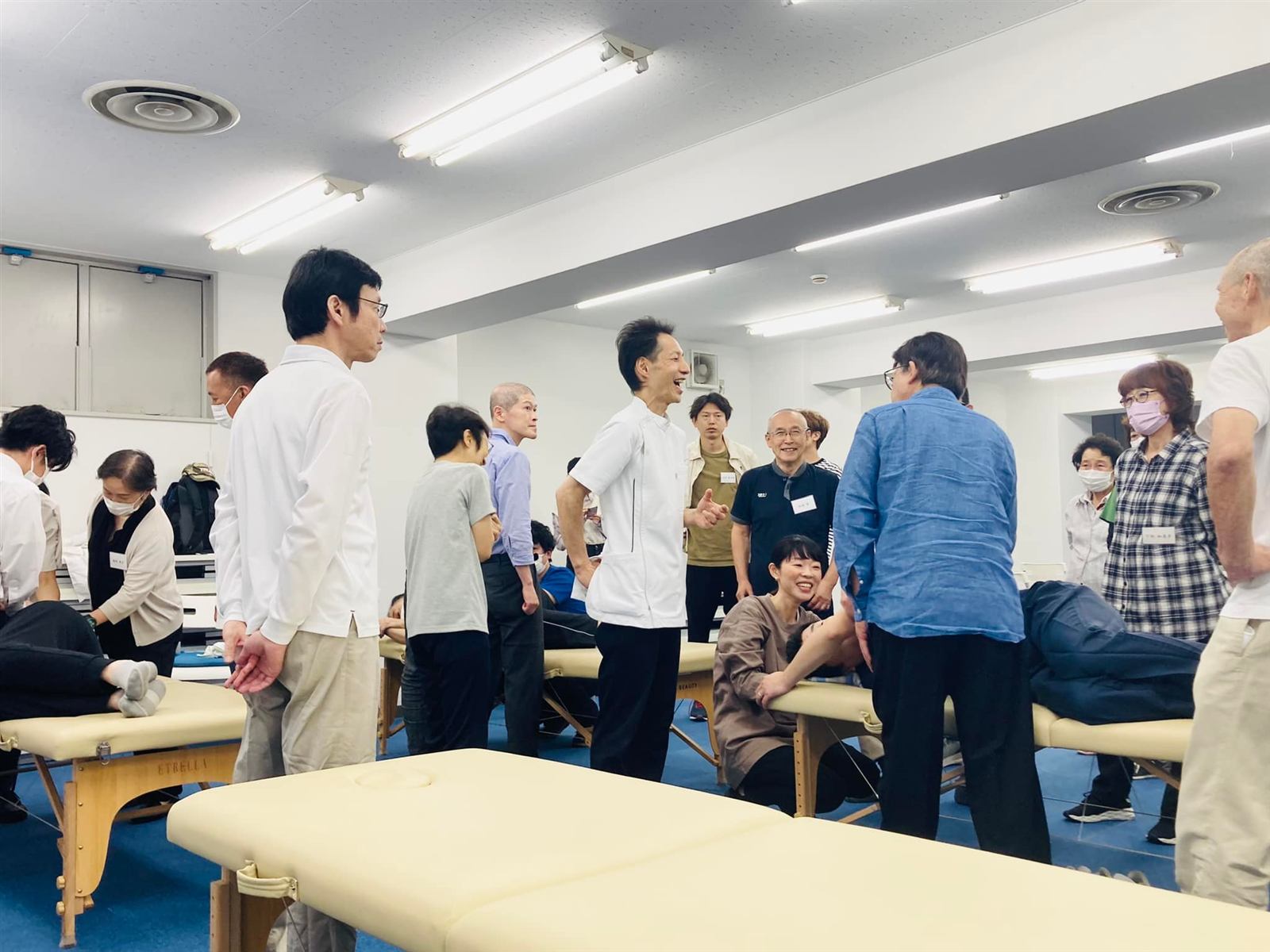
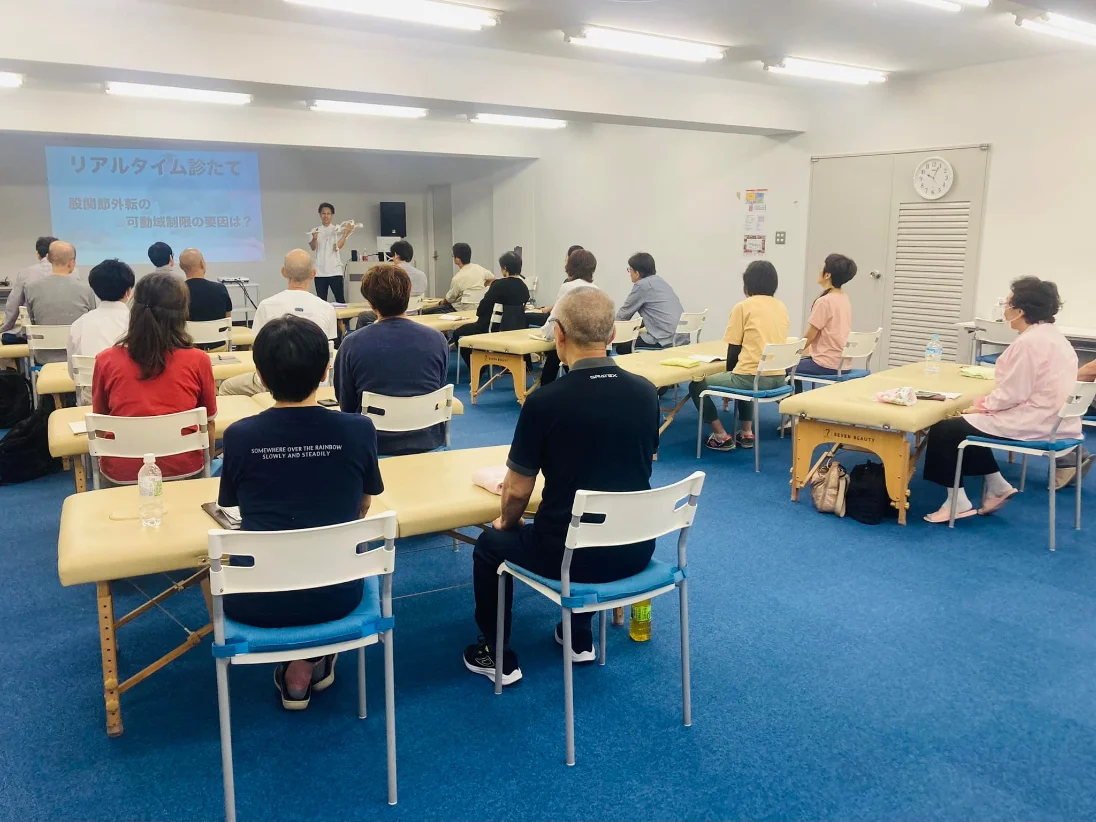
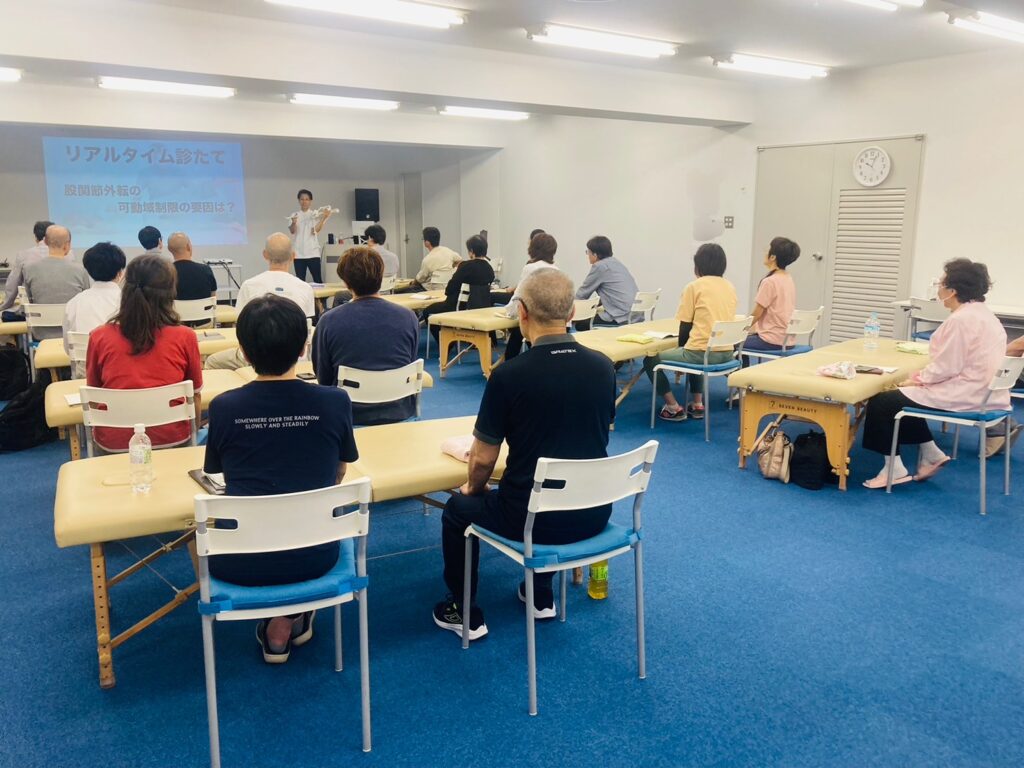
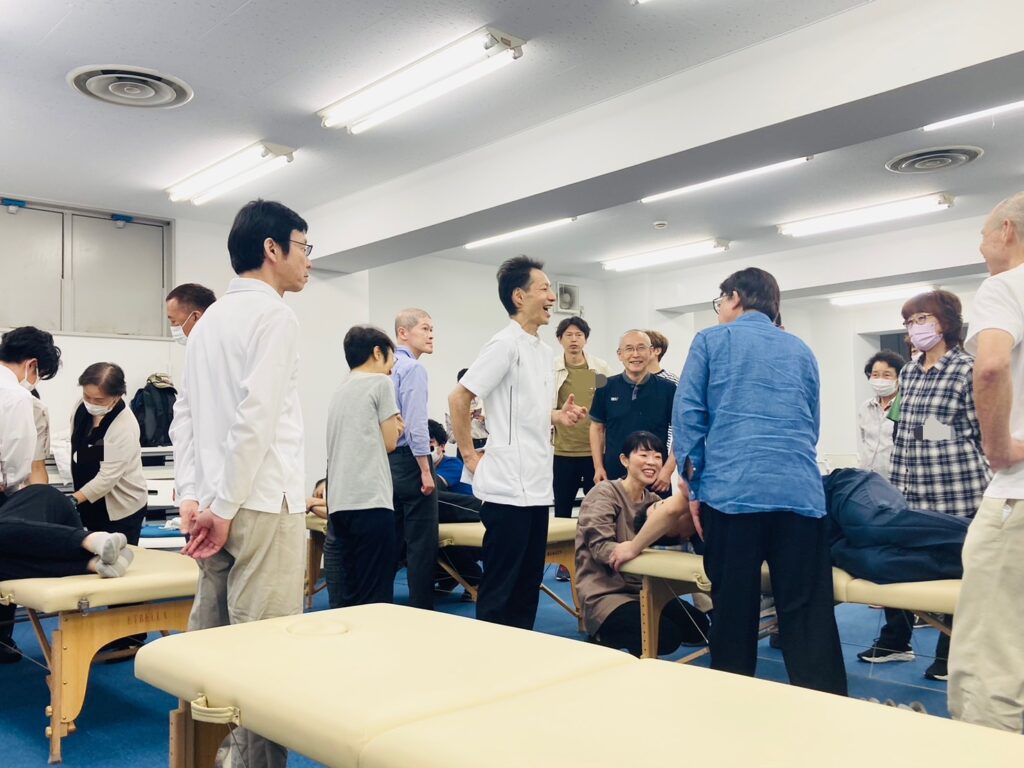
A seminar in progress
Successor Training Course | Tokyo & Osaka
A technique seminar launched to mark the publication of Okikura's book. Six-month courses are held regularly in Tokyo and Osaka, where he personally teaches deep adhesion release, tailored to each participant's clinical experience (in Japanese).
Human Cadaver Lab in Hawaii
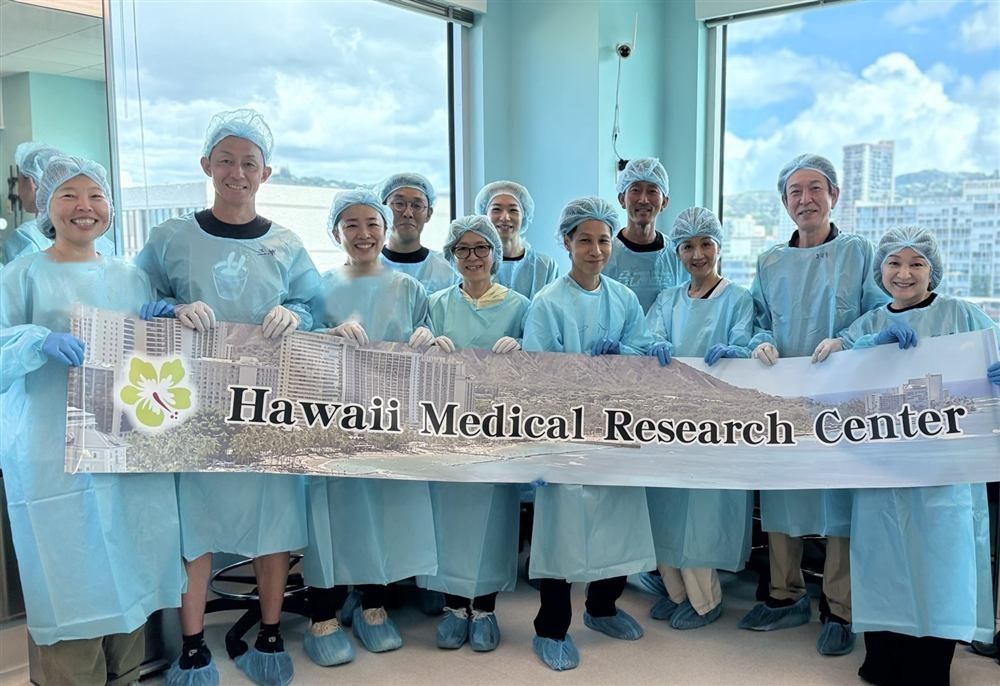
A dissection lab organized by Okikura himself. See the structure of fascia and muscle with your own eyes and learn the six-layer theory from the real human body.
HAWAII CADAVER LAB

Human Cadaver Lab in Hawaii

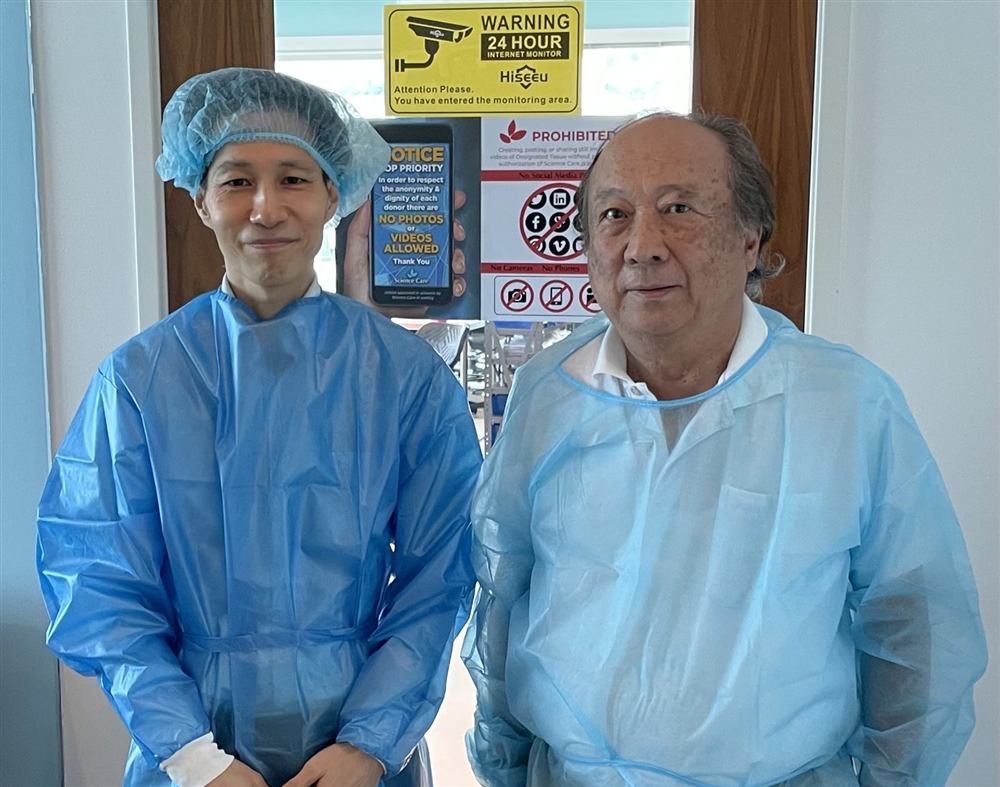
The six-layer theory is not just theory on paper. At the human cadaver lab in Hawaii that Okikura organizes himself, you see the structure of fascia and muscle with your own eyes. It is a place for practitioners to train by learning from the real human body.

Human Cadaver Lab in Hawaii
Lab and lecture
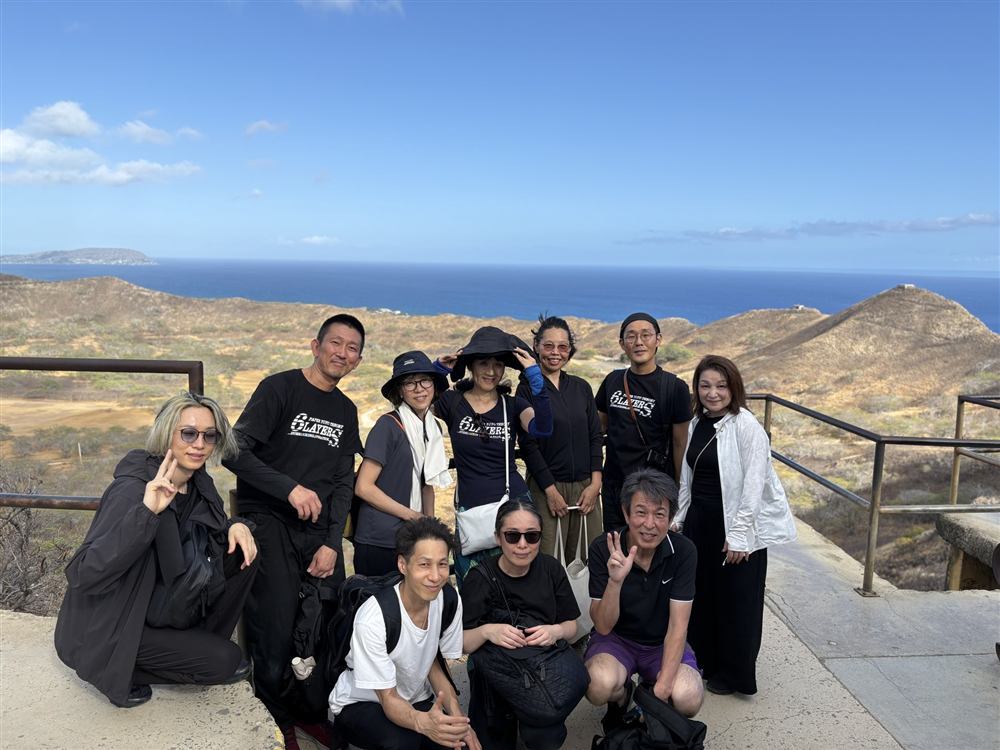
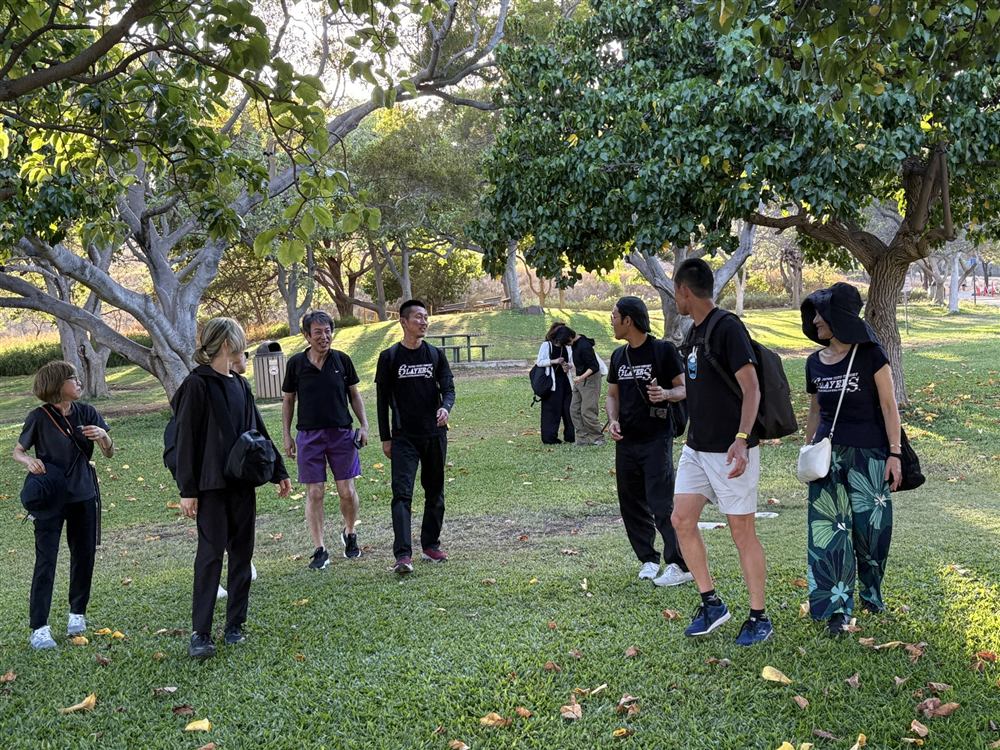
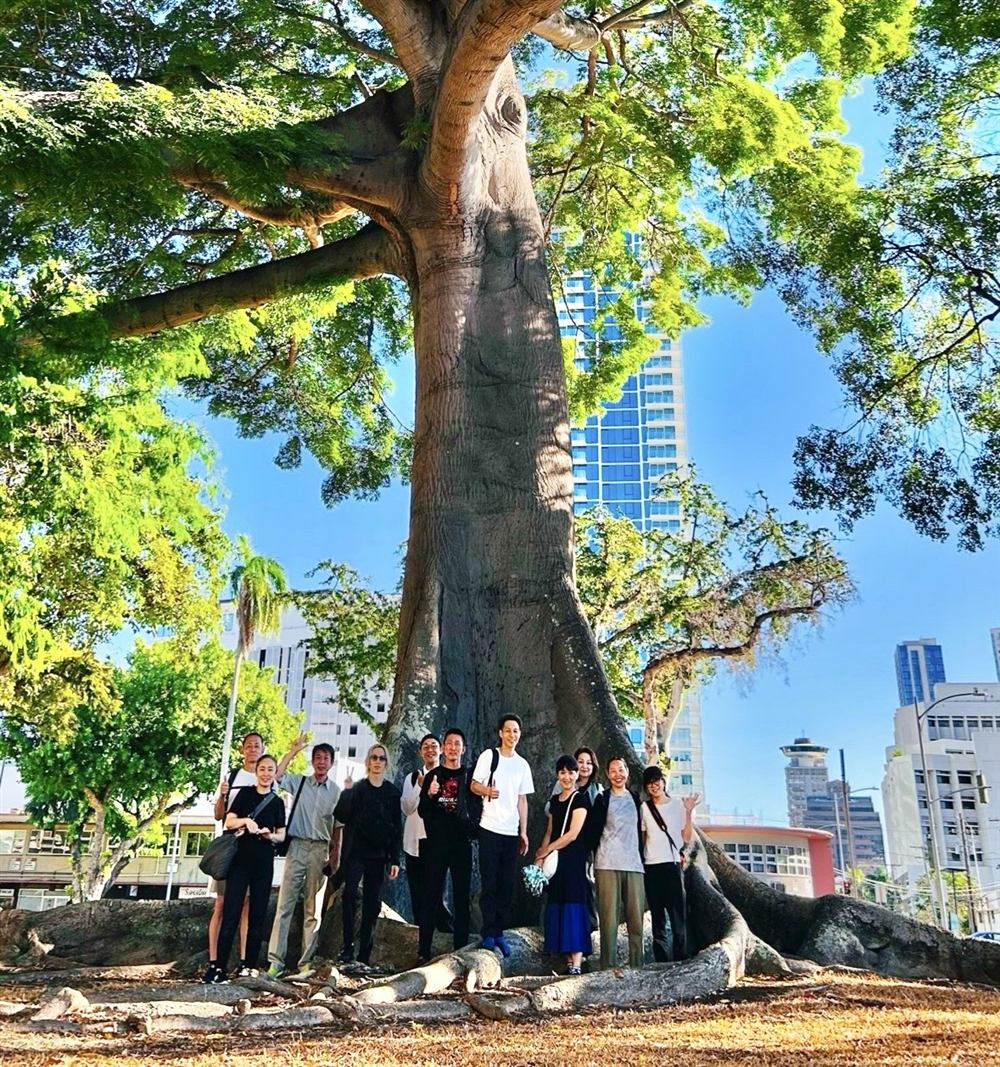
Hawaii scenery
In Hawaii
During the lab
NEXT SESSION
Anatomy, from the real thing.
Next session (in Japanese)
Contact us →
Small-group lab organized and attended in person by Okikura
See the six-layer structure of fascia and muscle for real
Connect with fellow practitioners in Hawaii
Kuniyoshi Okikura
PROFILE

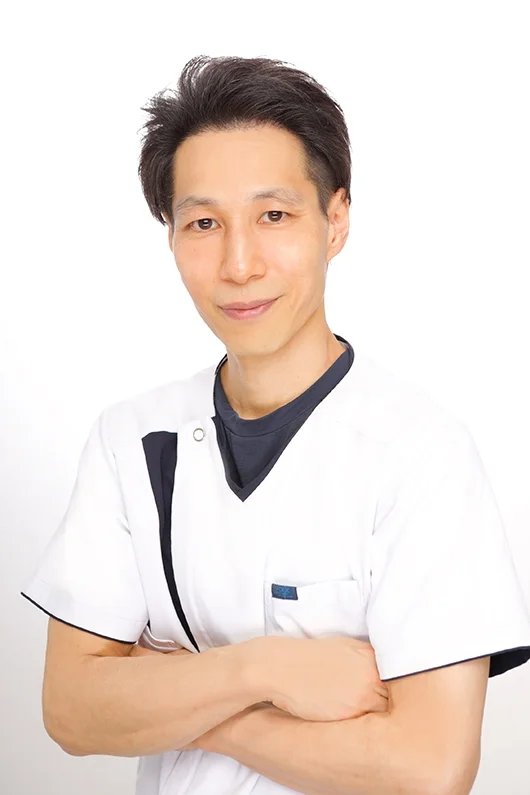
Kuniyoshi Okikura

Founder of Rokuso Rendo Soho / Physical therapist

Kuniyoshi Okikura is not currently accepting new patients for personal treatment.

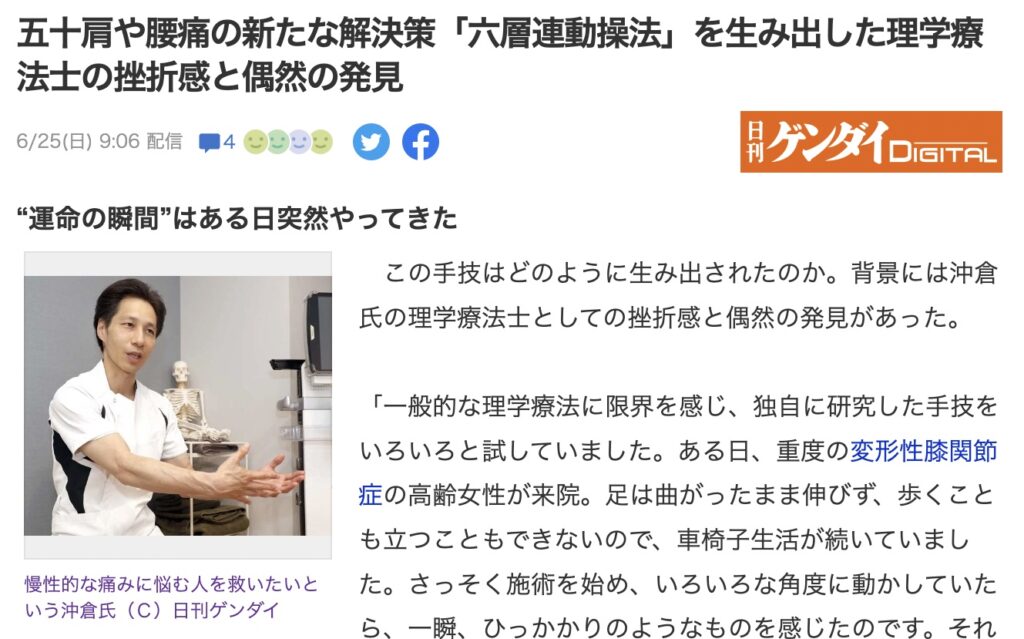
Born in Saitama Prefecture in 1979. He worked in hospitals as a physical therapist for 16 years, including as a section chief training junior staff at a healthcare group with more than 130 rehabilitation staff. Through years of working with unexplained pain and stiffness, he focused on cases where "the pain comes back even after the painful spot is massaged," and developed his own system of manual techniques, Rokuso Rendo Soho, which applies the principle of leverage to work directly on deep sources of pain.

Based at his clinic in Omotesando, Tokyo, he has treated more than 30,000 patients with severe or long-standing pain. The technique DVD he released to the manual therapy field in 2019 ranked No. 1 in industry sales, and about 3,000 practitioners have attended the seminars he leads in Tokyo and Osaka. He also organizes a human cadaver lab in Hawaii, continuing both his own study of fascial structure on the real human body and the education of practitioners.

Affiliated with Sun Music Production. His first book, Rokuso Rendo Soho: The Latest "Zero Pain" Fascia Release, became a No. 1 Amazon Japan bestseller (Chiropractic & Seitai category), and he has been featured widely in the media, including a column series for Toyo Keizai Online, as well as on TV and in newspapers.

30,000+
patients treated
approx. 3,000
seminar participants
No. 1
DVD industry sales
Full profile →
BOOKS

Books by Kuniyoshi Okikura

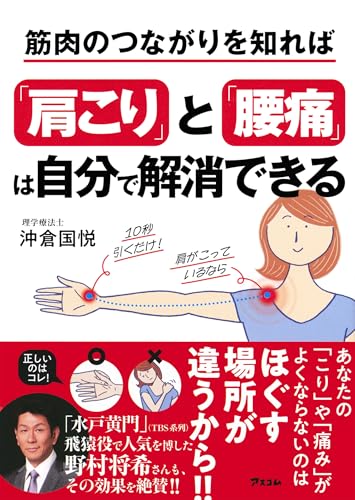
Book cover: Know How Your Muscles Connect, and You Can Ease Stiff Shoulders and Lower Back Pain Yourself
New release

Know How Your Muscles Connect, and You Can Ease Stiff Shoulders and Lower Back Pain Yourself

ASCOM / Published November 27, 2025 / 1,500 yen (excl. tax) / In Japanese

Why don't your shoulders or back get better no matter how much you massage them? The cause may lie in "fascial adhesions." Written for general readers, this book clearly explains possible root causes of pain and how to care for yourself.

Buy (Japanese store) →
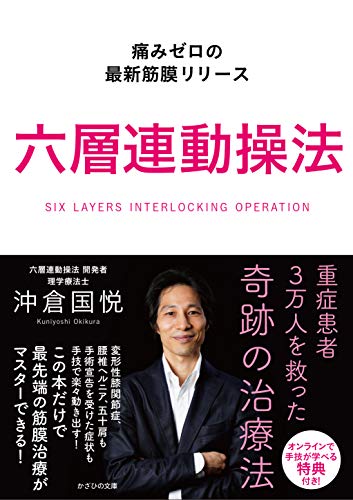
Book cover: Rokuso Rendo Soho
No. 1 Amazon Japan bestseller

Rokuso Rendo Soho: The Latest "Zero Pain" Fascia Release

Kazahinobunko / No. 1 in Amazon Japan's Chiropractic & Seitai category

A book for practitioners covering the theory and hands-on technique of the method its developer has used to treat more than 30,000 patients with severe or long-standing pain. Includes QR codes linking to technique videos, plus a bonus online course. In Japanese.

Buy (Japanese store) →
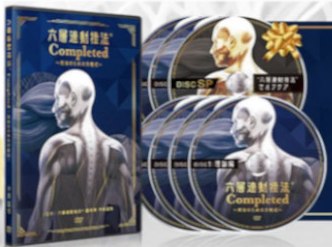
Technique DVD series packaging

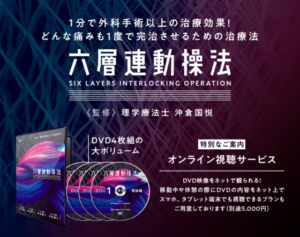
Technique DVD series (7 titles)

No. 1 in industry sales
Published by Chiryoin Marketing Kenkyujo
Rokuso Rendo Soho Wave Dial Release Technique Vol.2 Remote-Control-System Completed Basic Package / Master Program Complete Perfect Vision

Treatment videos on YouTube

Case videos of patients with severe pain, plus self-care tips. About 30,000 subscribers. (Videos in Japanese.)

Case video thumbnail Case video thumbnail Case video thumbnail Case video thumbnail More → Visit the channel →
NEWS & MEDIA

Media & News

2026 3 items
2026.02.16
Media

Featured in the April 2026 issue of the monthly magazine Kenko 365, in the series "Energizing Japan! Profiles of Passionate People"

The April 2026 issue of the health magazine Kenko 365 (on sale February 16, 2026) featured our representative, Kuniyoshi Okikura, in a three-page article in its series "Energizing Japan! Profiles of Passionate People." The headline read: "Rokuso Rendo Soho, which releases fascial adhesions, is the most powerful method for relieving pain".

The article explains that the root cause of chronic stiffness and pain may lie in "fascial adhesions" in areas away from where symptoms appear. It traces how the theory of Rokuso Rendo Soho came about: from a question Okikura had during his 16 years as a hospital physical therapist ("Why does pain come back even after treatment?") to a clinical experience in which a patient in their 60s, unable to walk because of severe knee pain, began walking unaided after work on the shoulder joint.

It also covers how post-surgical peritoneal adhesions, past injuries and sluggish metabolism and circulation can cause unexpected pain; the overlap between the meridians of Eastern medicine and fascial lines; and his work to spread Rokuso Rendo Soho on an evidence-based footing, including human cadaver dissection training overseas with seminar participants. His new book, Know How Your Muscles Connect, and You Can Ease Stiff Shoulders and Lower Back Pain Yourself (ASCOM), was also introduced. The article appears on pages 160-162 of the magazine, available at bookstores across Japan, and can also be read online at Kenko 365 Online.

Read the article (Kenko 365 Online, Japanese) →
2026.02.14
Media

Sarai.jp (Shogakukan) published "4 Self-Care Exercises to Ease Lower Back Pain [Okikura-Style Fascia Release]"

The official website of Shogakukan's magazine Sarai introduced four easy at-home self-care exercises for lower back pain from the new book Know How Your Muscles Connect, and You Can Ease Stiff Shoulders and Lower Back Pain Yourself. The Okikura-style fascia release method works on adhesions along the back line (erector spinae, etc.) and the deep core line (psoas major, etc.).

Read the article (Sarai.jp, Japanese) →
2026.02.07
Media

Sarai.jp (Shogakukan) published "Just 10-20 Seconds at a Time! 4 Self-Care Exercises to Ease Stiff Shoulders [Okikura-Style Fascia Release]"

The official website of Shogakukan's magazine Sarai introduced four self-care exercises for stiff shoulders from the new book. Organized by the body's connections (the side line, deep core line, front line and back line), each takes just 10-20 seconds and needs no equipment.

Read the article (Sarai.jp, Japanese) →
2025 6 items
2025.12.17
Media

[Toyo Keizai Online series, Part 3] A simple "just 10 seconds a day" routine to ease painful frozen shoulder

Part 3 of Kuniyoshi Okikura's series on Toyo Keizai Online has been published. It introduces a simple routine that takes just 10 seconds a day for frozen shoulder, which can develop even in people in their 30s or 60s.

Read the article (Toyo Keizai Online, Japanese) →
2025.12.10
Media

[Toyo Keizai Online series, Part 2] How to ease cold, swollen legs that can lead to a "chain of poor health"

Part 2 of Kuniyoshi Okikura's series on Toyo Keizai Online has been published. It explains how to ease cold and swollen legs, which can lead to a chain of serious problems such as chronic fatigue and weakened immunity, by working with the body's muscle connections.

Read the article (Toyo Keizai Online, Japanese) →
2025.12.08
Media

The Nikkan Kogyo Shimbun ran a feature on the new book Know How Your Muscles Connect, and You Can Ease Stiff Shoulders and Lower Back Pain Yourself

The new-book column of the Nikkan Kogyo Shimbun (digital edition) featured Kuniyoshi Okikura's new book. It describes the book's message for people who struggle with stiff shoulders or back pain and rely on massage or manual therapy: by understanding how your muscles connect, you can ease your discomfort yourself.

Read the article (Nikkan Kogyo Shimbun, Japanese) →
2025.12.03
Media

[Toyo Keizai Online series, Part 1] Two places to loosen for stubborn neck stiffness and pain

A health column series written by Kuniyoshi Okikura has launched on the business media site Toyo Keizai Online. The self-care series is based on his new book, Know How Your Muscles Connect, and You Can Ease Stiff Shoulders and Lower Back Pain Yourself.

Part 1 covers how to relieve stubborn neck stiffness and pain, which, if left alone, can also lead to lower back pain and stiff shoulders, and introduces two places to loosen.

Read the article (Toyo Keizai Online, Japanese) →
2025.11.29
Press release

Kuniyoshi Okikura announces a long-awaited technique seminar for practitioners to mark the publication of his book

The press release "Kuniyoshi Okikura announces a long-awaited technique seminar for practitioners to mark the publication of his book" was picked up by 38 media outlets.

Rokuso Rendo Soho Successor Training Course: trial seminar

Kuniyoshi Okikura, developer of Rokuso Rendo Soho, will hold Rokuso Rendo Soho technique trial sessions for practitioners who want to improve their skills, starting in December 2025. The seminar presents the theory and practice of Rokuso Rendo Soho, an innovative approach that precisely engages the patient's sternum and the soles of the feet to enhance coordination throughout the trunk. It aims to help practitioners break through the plateau in symptom improvement that many face, and to raise the quality of their clinical work significantly.

Background: why Rokuso Rendo Soho, and why now

Today's therapy field offers many techniques and methods, yet many practitioners feel they have reached a limit in consistently getting results in the clinic, for example in dealing with hard-to-treat symptoms or making treatment effects last. Okikura believes the key to getting the most out of treatment lies not in working on individual muscles or joints, but in having the lines that run through the whole body work together. On that basis he built a new treatment system designed to draw out the patient's own capacity to recover.

Seminar highlights

  • In-depth explanation of the core theory — A systematic explanation of the structural and kinesiological mechanisms by which the lines running through the whole body may contribute to functional recovery.
  • Hands-on instruction tied directly to clinical practice — Okikura personally teaches the delicate, practical techniques for working on the sternum and the soles of the feet that a book alone cannot convey.
  • Compatibility with existing techniques — Whatever techniques or schools you already practice, Rokuso Rendo Soho is designed to combine with them for a synergistic effect, taking your skills to a new level.

A message to practitioners who want to improve

"It is precisely because so many practitioners take their patients seriously that they hit walls in clinical practice. I developed Rokuso Rendo Soho to get past that wall myself. Through this seminar, I hope to help you take your skills to a new level and bring smiles to more patients. I look forward to welcoming those who are serious about getting results." (Kuniyoshi Okikura)

Trial session overview

Instructor: Kuniyoshi Okikura
Seminar: Rokuso Rendo Soho Successor Training Course, trial seminar (in Japanese)
Venue: a seminar room in Tokyo
For details and registration, please use the contact form (in Japanese).

2025.04.24
Press release

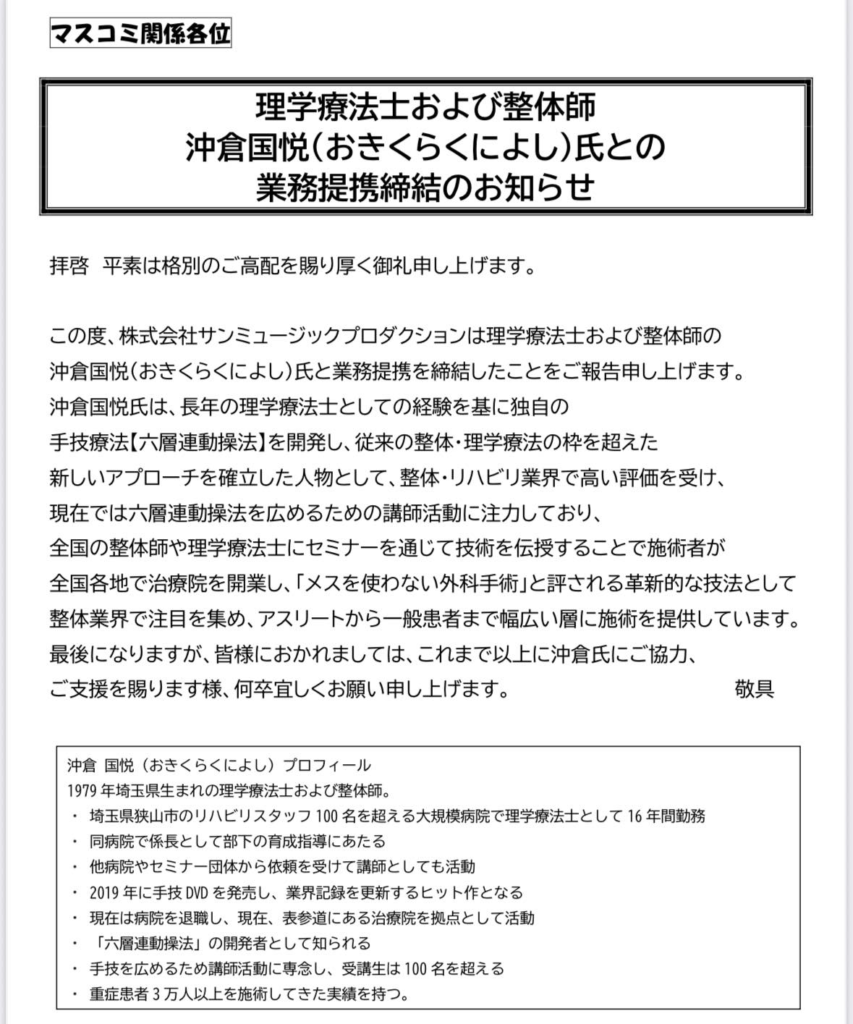
Announcement: business partnership with Sun Music Production

We are building an environment in which we can share the skills and experience we have cultivated over many years with even more people. This is all thanks to everyone who supports us. Thank you very much.

We look forward to your continued support.

Business partnership with Sun Music Production Read the press release (PR TIMES, Japanese) →
2024 1 item
2024.08.28
Media

Featured in LALALA USA, a Los Angeles magazine for the Japanese community!

Rokuso Rendo Soho was introduced in a Los Angeles magazine for Japanese readers.

"Going forward, I want to actively promote Rokuso Rendo Soho overseas as well. I want to train people who can help others with this technique and spread it further around the world."— from the article
Read the article (LALALA USA, Japanese) →
2023 2 items
2023.10.09
Seminar

New seminars have started!

New seminars started this October in two locations, Tokyo and Osaka.

Meeting in person with purchasers of our fifth DVD, released in August, we are passing on the delicate and profound feel of Rokuso Rendo Soho directly, centered on the DVD content.

Despite the short notice, many people have come from as many as 26 prefectures, and even from as far away as the United States! The venues are full of energy!

A seminar in progress A seminar in progress
2022 10 items
2022.09.01
DVDs & materials

The latest Rokuso Rendo Soho DVD has been released

"Rokuso Rendo Soho Basic Package / Master Program" has been released, in two versions: Basic and Master.

*This was a limited-time release (until September 7, 2022).

2022.07.18
TV

Broadcast on Kansai TV's "Antenna San"

Rokuso Rendo Soho was featured on Kansai TV's "Antenna San." You can watch the broadcast on YouTube.

"Antenna San" broadcast (YouTube) ▶
2022.04.19
TV

Broadcast on Fuji TV's "news It!"

On April 19, 2022, a Rokuso Rendo Soho treatment was broadcast live on Fuji TV's "Live News It!"

Program website (Japanese) →
2022.04.17
YouTube

Rokuso Rendo Soho, used to treat 30,000 patients with severe or long-standing pain: a maverick of Japan's cheerleading world tries it for the first time (2)

From the YouTube channel Rokuso Shisho's "Releasing Adhesions Again Today!" (Japanese).

YouTube video ▶
2022.04.17
YouTube

Rokuso Rendo Soho, used to treat 30,000 patients with severe or long-standing pain: a maverick of Japan's cheerleading world tries it for the first time (1)

From the YouTube channel Rokuso Shisho's "Releasing Adhesions Again Today!" (Japanese).

YouTube video ▶
2022.04.17
YouTube

Can he find problem areas just by holding your foot?! A maverick of Japan's cheerleading world is amazed

From the YouTube channel Rokuso Shisho's "Releasing Adhesions Again Today!" (Japanese).

YouTube video ▶
2022.04.17
YouTube

"Manual therapists from all over Japan flock to his seminars! Who is Kuniyoshi Okikura?"

From the YouTube channel Rokuso Shisho's "Releasing Adhesions Again Today!" (Japanese).

YouTube video ▶
2022.03.25
Media

Interview published in hospass, a media site for healthcare professionals

hospass media, which covers careers in healthcare, published the interview "I want to train practitioners who can truly help patients get better, and free many patients from pain!"

From his starting point (deciding to become a physical therapist after his grandparents' rehabilitation) to leaving hospital work to go independent, developing Rokuso Rendo Soho, which works on fascial adhesions through the sense of touch, and running seminars built on sincerity and hospitality, he talks about his goal of helping patients all over Japan who suffer from pain.

Read the interview (hospass, Japanese) →
2021 5 items
2021.09.22
DVDs & materials

The third Rokuso Rendo Soho DVD is now on sale!

The third DVD, "Rokuso Rendo Soho® Completed," went on sale for a limited time.

2021.09.22
YouTube

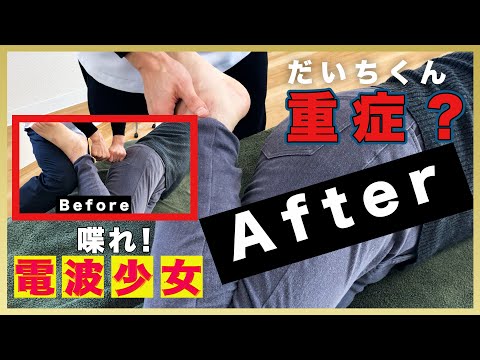
Must-see: Rokuso Rendo Soho on "Shabere! Denpa Shojo"

Rokuso Rendo Soho treatment sessions were featured on the "Shabere! Denpa Shojo" YouTube channel!

YouTube video ▶
2021.09.10
DVDs & materials

Free limited-time video from the latest Rokuso Rendo Soho technique DVD

A free limited-time video from the latest technique DVD, "Rokuso Rendo Soho® Complete," has been released.

2021.09.08
Announcement

Rokuso Rendo Soho clinics across Japan

We have added a page listing clinics across Japan where you can receive Rokuso Rendo Soho.

See the clinic map (Japanese) →
2021.03.08
Book

Rokuso Rendo Soho book published

On March 6, 2021, the book Rokuso Rendo Soho: The Latest "Zero Pain" Fascia Release was published.

2020 1 item
2020.09.17
Media

News media feature: "Drawing attention from athletes and the manual therapy field: Rokuso Rendo Soho, developed by Kuniyoshi Okikura"

The news site Tetsudo Channel published an article introducing Rokuso Rendo Soho. It explains how deep fascial adhesions that form after injury, surgery or illness can hinder movement and blood flow, and how Rokuso Rendo Soho approaches them by applying tension to the fascia and using bone as a lever to release the adhesions.

The article also announced seminars starting September 19 in Tokyo and Osaka, where the method would be presented in full.

Read the article (Tetsudo Channel, Japanese) →
2019 3 items
2019.04.17
Q&A

Rokuso Rendo Soho Q&A

From more than 2,500 questions sent in by DVD purchasers across Japan, Okikura answered the five most common.

Q1Can it be used on people with artificial joints?

Both the multifidus technique and the sacroiliac joint technique can be used. However, people with artificial joints tend to tense up from the trunk to the lower limbs, and tension in the knee in particular may not release, which can make treatment difficult. The key is to work while asking the patient to bend the knee, and not to let the lower limb become unstable. Many of these patients are also sensitive to pain, so use only a force and range that do not cause pain.

Q2Are there contraindications?

Inflammatory symptoms are basically a contraindication. In addition, if any "red flag signs" suggesting serious spinal disease are present (under 20 or over 55 years of age, night pain or pain at rest lasting more than a month, fever or bacterial infection, cauda equina compression symptoms, history of cancer, weight loss, spinal percussion tenderness, history of trauma, steroid use, etc.), always urge the patient to see a doctor and have imaging tests.

Q3If I can't feel tension in the fascia, what could be the cause?

There are two possible causes. The first is the setup: please review the points shown in the DVD, such as the angle and the direction of flexion. The second is a patient with little fascial tension. In people with very flexible joints, or in areas where inflammation remains, tension is hard to feel; in such cases the pain will not change either, so the patient is not suitable for this treatment.

Q4Can it help patients with muscle contracture caused by rheumatoid arthritis?

Malignant rheumatoid arthritis is an inflammatory joint disease, so treatment is basically contraindicated while inflammation is present. Even when inflammation has settled, many patients have fragile bones from years of steroid use and are sensitive to pain, so perform the technique near the yield point explained in the theory section. If pain does not improve immediately after treatment, consider the patient unsuitable.

Q5What should I watch out for with patients who hurt even when lightly touched?

Patients who hurt at the slightest touch often have a lowered pain threshold throughout the body (they feel pain more easily), and brain-related factors may be involved. Once pain eases, the threshold tends to rise, so work gently near the yield point; if pain does not improve immediately afterward, consider the patient unsuitable.

2019.04.13
Announcement

DVD sales reach a new record

Sales of the Rokuso Rendo Soho DVD have passed 2,500 copies, our highest ever. This was possible thanks to all of you. Thank you very much.

Rokuso Rendo Soho DVD
2019.04.04
Announcement

Thank you: Rokuso Rendo Soho sets a new No. 1 industry record

When we unveiled the complete Rokuso Rendo Soho method, we received more orders than ever before the moment it was announced, far surpassing the industry's first-day record.

Our sincere thanks to everyone who watched the seminar video and to everyone who acquired the complete Rokuso Rendo Soho method. Supported by your warm encouragement, this technique will continue to help many practitioners.

FAQ

Rokuso Rendo Soho Q&A

What kind of treatment is Rokuso Rendo Soho?

Rokuso Rendo Soho (the 6-Layer Release) is a manual therapy developed by physical therapist Kuniyoshi Okikura. It views the intricately interwoven connections of fascia, from just beneath the skin down to the periosteum, as six layers by depth, and works to release adhesions that form between those layers. Its key feature is the application of the principle of leverage, designed to directly target deeper adhesions that conventional manual techniques may not reach.

What symptoms can it help with?

It focuses on symptoms that "come back even after massage," such as chronic lower back pain, stiff shoulders, knee pain and headaches. The cause of pain may lie in adhesions in areas away from where symptoms appear. As in one case where severe knee pain eased after work on the shoulder joint, we look for the underlying cause through the connections of the whole body. Individual results vary.

Does the treatment hurt?

We don't knead or press hard on the surface. Because leverage is used to deliver minimal force to the deep layers, you feel gentle, gradual pressure and slow movements, and most people can stay relaxed.

How is it different from other manual therapy or massage?

Stiff shoulders, so you massage the shoulders: that is the usual approach. Rokuso Rendo Soho does not use kneading massage. It directly targets adhesions down to the periosteum, which massage and stretching may not reach, and works where the cause may be rather than where it hurts. People who keep finding that "it feels better at the time, but it comes back" may especially notice the difference.

Does the pain come back?

We believe a major reason pain returns is that only the surface is loosened while the underlying adhesion remains. Rokuso Rendo Soho is designed to release the adhesion thought to be causing the problem, with the aim of helping changes after treatment last. Individual results vary. The method itself began with a question Kuniyoshi Okikura had as a physical therapist: "Why does pain come back even after textbook treatment?"

How often should I have treatment?

Because the approach is designed to release the adhesions that restrict movement, many clients report a change in range of motion from the first session. However, adhesions built up over years tend to be deeper and more widespread, so depending on your symptoms, we may recommend several sessions to work on the deeper layers step by step.

Can I have treatment if I've had surgery?

Yes. After abdominal surgery such as a Caesarean section, adhesions can form in the peritoneum. Even when they show up years later, for example as lower back pain, they are rarely linked to the surgery. These "unnoticed adhesions" are exactly what Rokuso Rendo Soho is designed to address. It is available regardless of age or fitness.

Can I have treatment if I have an artificial joint?

Yes. However, people with artificial joints or hip problems tend to have strong tension from the trunk to the legs and are often sensitive to pain. We therefore stay within a force and range that do not cause pain, and proceed carefully, checking with you as we go.

It hurts even to be touched. Can I still have treatment?

When pain lasts a long time, the brain can become oversensitive to it, leaving the whole body in a state where pain is felt more easily. In that case we start with very gentle force that does not cause pain. Once pain eases, this sensitivity itself tends to settle down. If there is no change after treatment, we will not push on; we will tell you that this treatment is not suitable for you.

Are there cases where I can't have treatment (contraindications)?

Yes. As a rule, we do not treat areas that are inflamed. The same applies during flare-ups of inflammatory diseases such as rheumatoid arthritis. Pain with fever, pain that continues at night even at rest, pain after an injury, pain in people with a history of cancer, and pain with sudden weight loss may be signs of a serious underlying illness, so in these cases we always ask you to see a doctor before treatment. We consider knowing when not to treat an important part of treatment.

Is there anything I should do before or after treatment?

No special preparation is needed. Please wear comfortable clothes you can move in. Each session follows a "check, treat, check again" sequence, so you can feel any change in range of motion and pain in your own body on the spot. Blood flow can change considerably after treatment, so avoid strenuous exercise and drink plenty of water.

Is there scientific evidence?

The developer, Kuniyoshi Okikura, worked in hospitals as a physical therapist for 16 years, and he continues to test the method against evidence, including human cadaver dissection training overseas with seminar participants. Rather than relying on feel, the Rokuso Rendo Soho way is to always confirm changes with movement tests before and after treatment. For the clinical trial results, see the Evidence section above.

Where can I receive Rokuso Rendo Soho?

There are 70 clinics across Japan, from Hokkaido to Kyushu, run by certified practitioners who learned the technique at our seminars. Find one near you in the list of clinics above.

What is Rokuso Rendo Soho? Answers about its developer, the evidence, and "Is it legitimate?" (Japanese) →
What are adhesions? How Rokuso Rendo Soho sees the causes of pain, with diagrams and references (Japanese) →

For your pain,
an approach through the layers.
Kuniyoshi Okikura is not currently accepting new patients for personal treatment.
If you would like treatment for the first time, please contact one of our certified clinics.
For seminars, media and other inquiries, please use our contact form (in Japanese) or email rokusou.shisho@gmail.com. Interviews in English are conducted in writing.